
History Learner
A web application for interactive learning and memorization of historical facts. Contains study modes and quizzes.
Tutorials
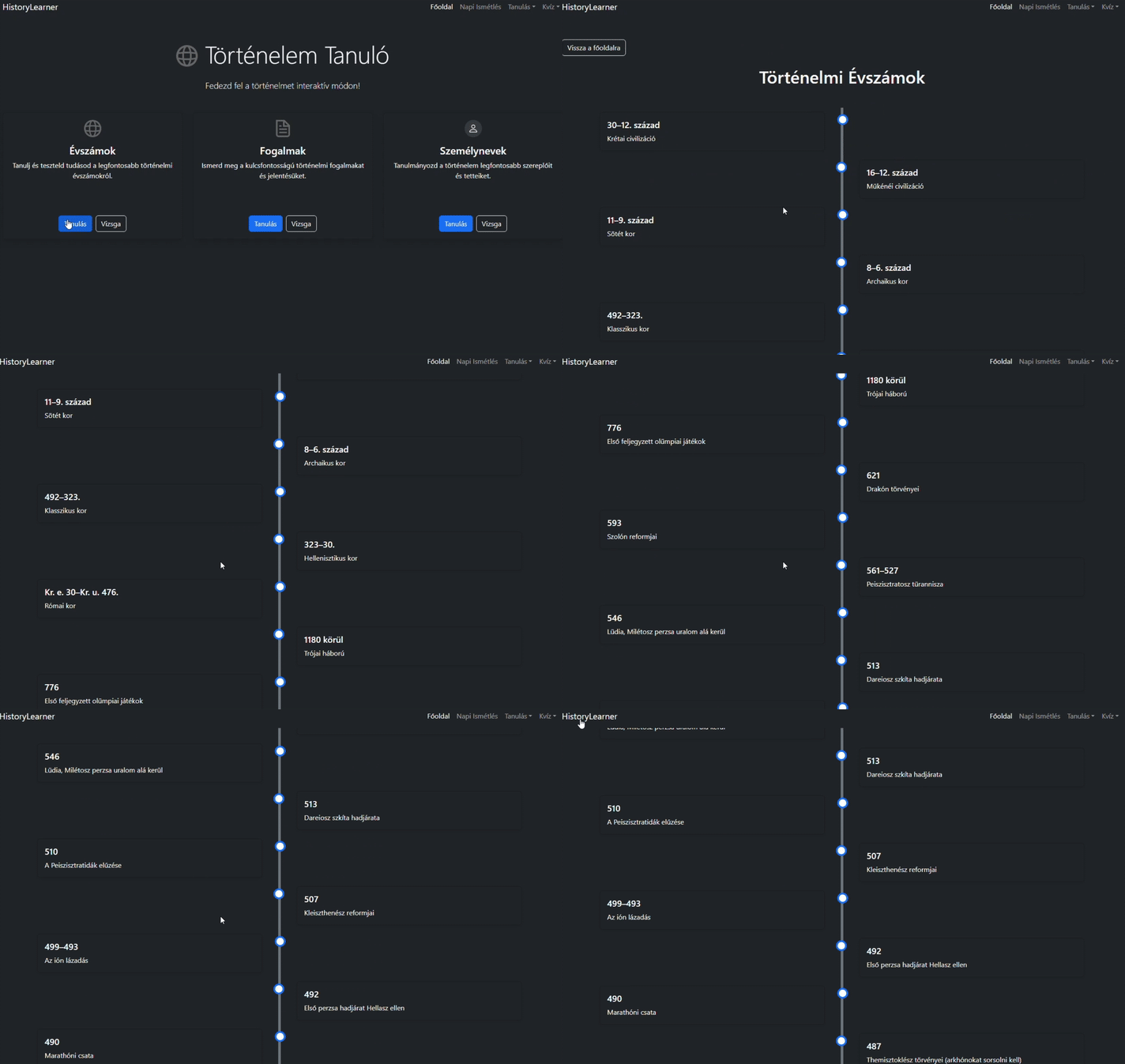
This shows how to learn dates.
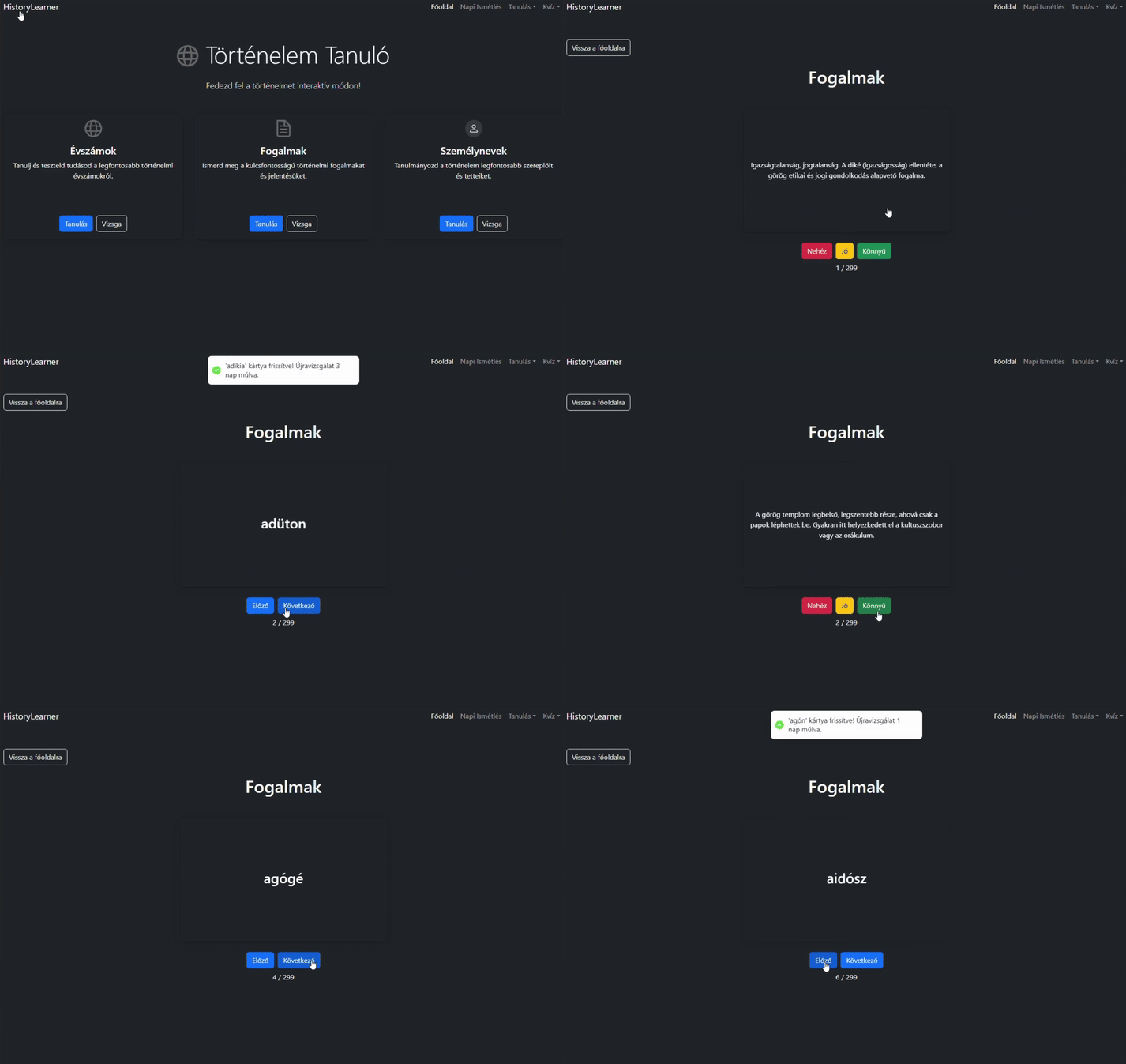
This shows learning words and their meaning, and also testing the 'difficulty' mechanics by choosing different type of difficulty for each.
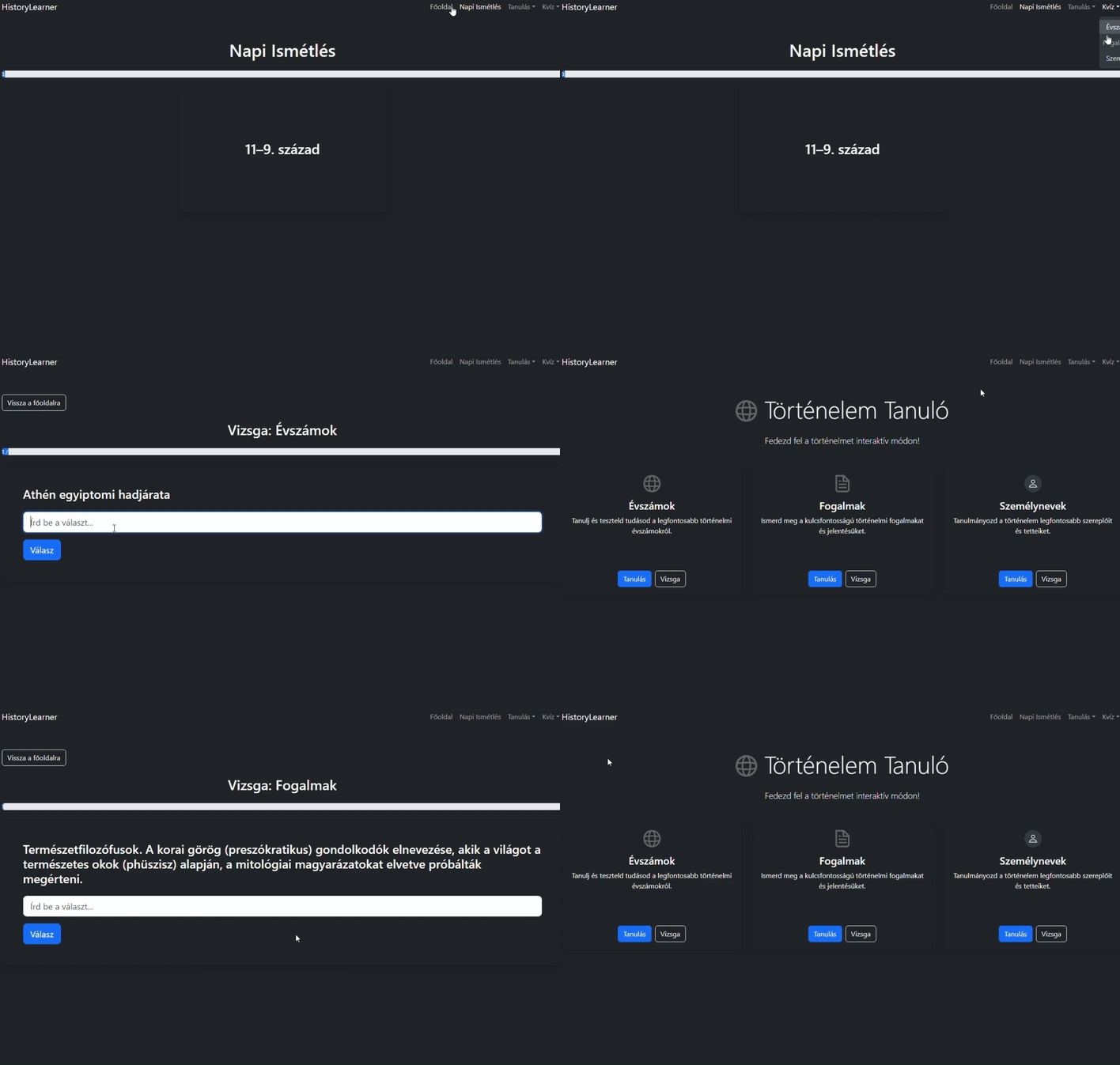
This is for displaying how the exams are working, here you get the descriptions or the dates, and you have to write the word or what happen at that time.
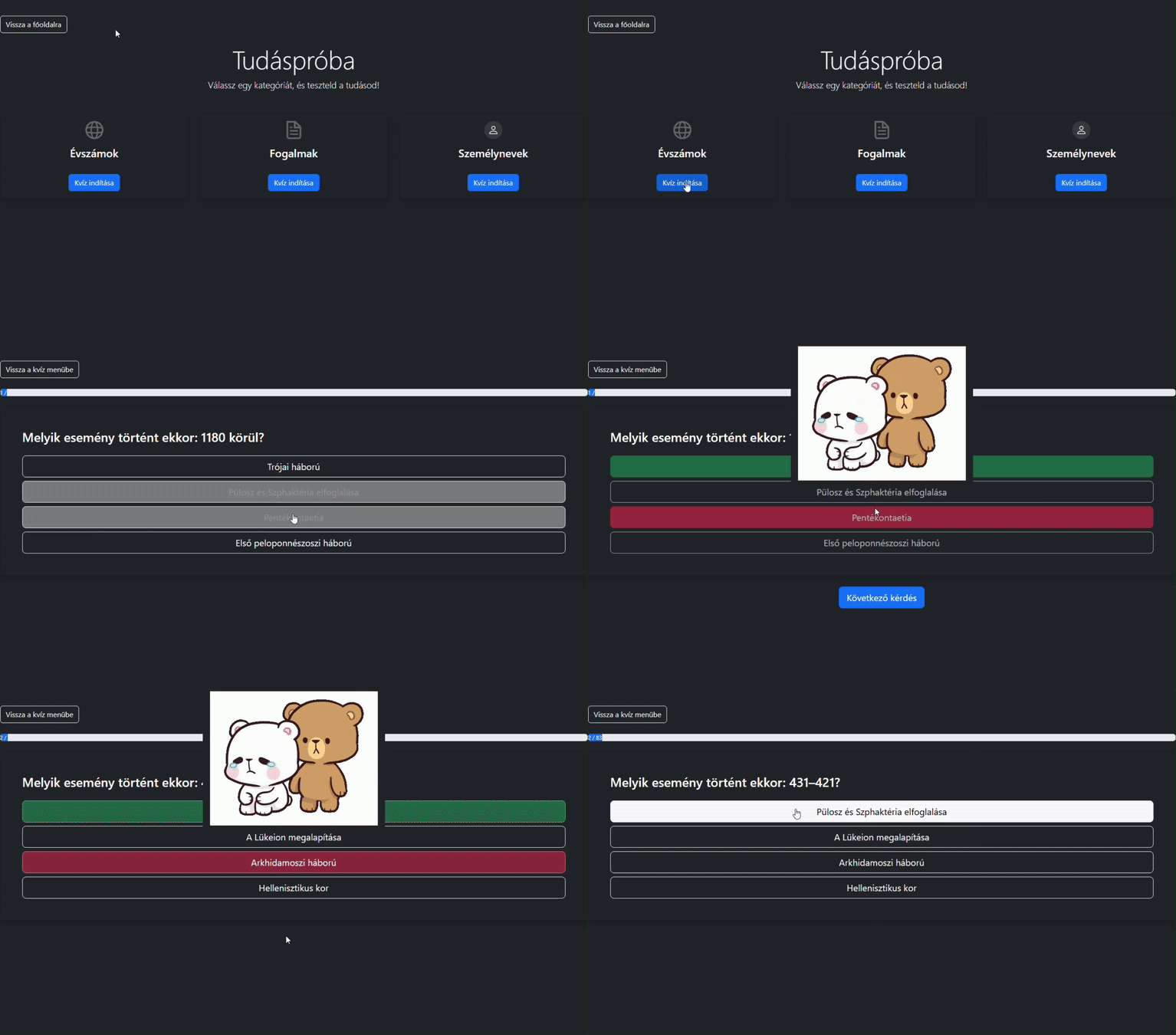
This is showing the quiz function, where there is a question and you can chose from 4 different answers, and if u chose the correct there will be a congrat gif, and if u miss it u get a sad gif.
The Challenge
The main challenge was to create a platform that makes learning enjoyable with modern and interactive methods, such as quizzes and a Spaced Repetition System (SRS), as an alternative to traditional studying.
My Solution
I built a fully client-side web application loaded via static JSON configuration instead of a heavy backend, utilizing React and Next.js to provide a fast and seamless interface.
Tech Stack
- Next.js: Provides server-side rendering and fast navigation, which is essential for a good user experience.
- React: Its component-based architecture allows for the creation of reusable and easily maintainable UI elements.
- TypeScript: Adds type safety to the code, reducing the number of errors during the development phase.
- Bootstrap: Accelerated UI development with its responsive and pre-built components.
Technical Deep-Dive
The application runs locally or on the web using Next.js and React. It uses Bootstrap for fast styling and responsive design. The data is parsed through structured formats without needing an SQL connection.